5 Signs Your Company Needs a Software Upgrade
In today's fast-paced digital era, technology is evolving at lightning speed. Businesses across industries rely on software to manage operations, serve customers, and drive innovation. However, as your company grows, the tools that once met your needs can become a bottleneck. Outdated software can slow your team down, frustrate customers, and increase operational costs.
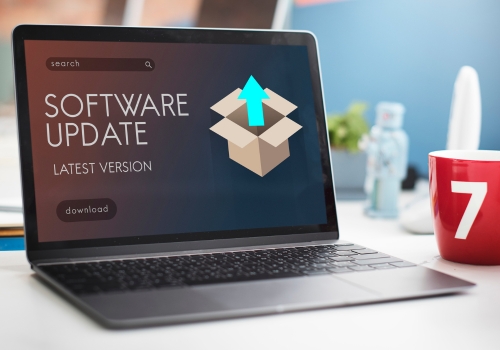
If your systems are lagging behind, it might be time for a change. But how do you know when it’s time to invest in a software upgrade? Here are five clear signs that your company needs to move on from legacy systems and embrace modern, scalable solutions.
1. Your Software Can’t Keep Up with Business Growth
When your business started, your software probably fit like a glove. It handled customer data, invoicing, and workflows smoothly. But as your company grows — more clients, more transactions, more data — that same software may start showing cracks.
If you find your team spending more time fixing issues or finding manual workarounds, that’s a red flag. Systems designed for small teams often struggle to manage enterprise-level data or user volumes. Slow performance, frequent crashes, and limited scalability can seriously affect productivity.
For instance, if your CRM can’t handle more than a few thousand customer records or your ERP slows down during peak hours, it’s time to consider an upgrade. Modern software solutions are built to scale — they can expand seamlessly as your operations grow, ensuring smooth performance regardless of business size.
In short: If your technology can’t scale with your business, it’s not supporting growth — it’s holding you back.
2. You’re Spending Too Much on Maintenance and Fixes
Older software often demands continuous maintenance, costly updates, and constant troubleshooting. You might find yourself calling IT support every few days, or your tech team may spend hours patching bugs instead of working on strategic projects.
What’s worse, outdated software can become incompatible with newer systems, forcing your team to rely on temporary fixes that create even bigger problems later. The cost of these fixes — both in money and productivity — adds up quickly.
Think about it this way: if maintaining old software costs more than upgrading to a modern solution, you’re draining resources that could be invested in innovation.
Cloud-based platforms, for example, automatically handle updates, security patches, and integrations. This not only reduces IT workload but also ensures your systems stay current without costly manual upgrades.
Bottom line: If your software budget feels like a money pit, a new, more efficient system can save both time and money in the long run.
3. Your Team Is Relying on Manual Workarounds
One of the clearest indicators of outdated software is when employees start using spreadsheets, shared drives, or third-party tools to “fill in the gaps.” While these shortcuts may seem harmless at first, they often lead to inefficiency, data duplication, and communication breakdowns.
For example, if your finance team exports data from your ERP into Excel for analysis, or your marketing team tracks leads manually because the CRM isn’t flexible enough, your software is failing to meet business needs.
Modern software integrates multiple processes into a unified system — connecting departments, automating repetitive tasks, and providing real-time insights. This not only saves time but also improves collaboration and accuracy.
When your software becomes a hurdle instead of a help, your employees spend energy finding workarounds instead of driving results. That’s a clear signal that it’s time for an upgrade.
Remember: Technology should empower your team, not frustrate them.
4. Security Risks and Compliance Issues Are Growing
In an age where cyber threats are increasing every year, outdated software is a serious liability. Older systems often lack the latest security protocols and encryption standards. Without regular updates and patches, they become easy targets for hackers and malware attacks.
Beyond data breaches, outdated software can also put your company at risk of non-compliance with data protection regulations like GDPR, HIPAA, or India’s Digital Personal Data Protection Act (DPDPA). Non-compliance not only damages your reputation but can also result in heavy fines.
If your software vendor has stopped providing updates or security patches, it’s a clear danger sign. You’re effectively running your business on an unguarded platform.
Upgrading to modern, cloud-based, or custom-built software ensures that your system meets the latest security and compliance standards. Regular automatic updates help protect sensitive customer and business data — giving you peace of mind and safeguarding your brand reputation.
Simply put: If your software isn’t secure, neither is your business.
5. Your Software Can’t Integrate with Modern Tools
Integration is the backbone of digital transformation. Businesses today use multiple tools — CRMs, accounting platforms, marketing automation tools, HR systems, and analytics dashboards. If your core software doesn’t integrate smoothly with these modern tools, your data becomes fragmented and unreliable.
Disconnected systems force employees to enter the same information multiple times, increasing the risk of errors. It also limits visibility — making it hard to get a 360° view of your business performance.
For instance, if your e-commerce platform doesn’t sync automatically with your inventory or customer service software, you’ll constantly face delays and miscommunication.
Modern software solutions come with open APIs and built-in integrations, allowing seamless communication between departments and tools. This connectivity boosts efficiency, enhances decision-making, and creates a better experience for both employees and customers.
If your software can’t talk to other systems, it’s time for one that can.
The Hidden Cost of Not Upgrading
Many businesses delay software upgrades because they fear the upfront investment or potential disruption. However, sticking with outdated systems can be far more expensive in the long run. Lost productivity, security breaches, unhappy employees, and dissatisfied customers all add up.
By upgrading, you’re not just buying new software — you’re investing in efficiency, security, and future growth. The right system can automate repetitive tasks, improve collaboration, reduce downtime, and provide real-time insights that drive smarter decisions.
Conclusion: Don’t Wait Until It’s Too Late
Technology is the foundation of every modern business. When your software no longer supports your goals, it’s time to act. Whether it’s inefficiency, high maintenance costs, security risks, or integration challenges, the signs are clear — your company needs a software upgrade.
Upgrading your software doesn’t have to be overwhelming. Partnering with the right software development company can help you assess your needs, design a custom solution, and transition smoothly — without disrupting daily operations.
At Tanvika Software, we specialize in helping businesses modernize their systems, enhance productivity, and stay competitive in an ever-changing market. The sooner you make the switch, the faster your company can innovate, scale, and thrive.