Why UI/UX Should Be the First Step in Software Development
When we think about software development, the first images that often come to mind are lines of code, frameworks, or programming languages. While these are undeniably essential, the true success of any software lies not just in how well it is built technically but in how effectively it serves its users. This is where UI (User Interface) and UX (User Experience) design come into play. In fact, focusing on UI/UX should be the very first step in software development, not an afterthought. A design-first mindset sets the tone for user satisfaction, business growth, and long-term product success.
The Role of UI/UX in Software Success
At its core, UI/UX is about creating software that people find intuitive, engaging, and valuable. UI deals with the visual appeal, layout, and interactive elements, while UX ensures the journey a user takes through the software is smooth, logical, and meaningful. Without this foundation, even the most advanced or technically perfect product risks failure.
Think of a beautifully engineered car with poor seating design. Despite its horsepower or advanced features, if users feel uncomfortable, they won’t drive it. Similarly, a software application without user-friendly design won’t attract or retain users.
Why Design Should Come Before Development
- User-Centric Approach
The ultimate goal of any software is to solve user problems. By prioritizing UI/UX at the beginning, developers and businesses can better understand user needs, preferences, and pain points. This research-driven approach ensures the software isn’t just built for technical excellence but for real-world usability.
- Clear Product Vision
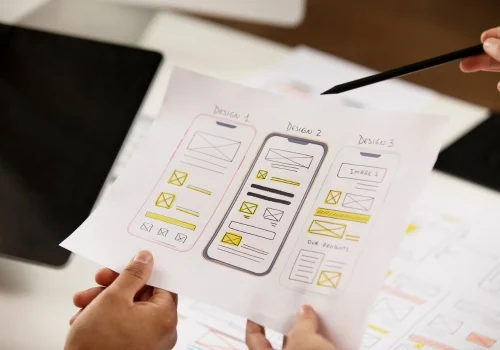
Starting with UI/UX design helps clarify what the product is supposed to achieve. Wireframes, prototypes, and user flows allow teams to visualize the software before writing a single line of code. This creates alignment among stakeholders, reducing misunderstandings and wasted resources later.
- Cost and Time Efficiency
Mistakes caught during design are cheaper and easier to fix than those discovered after development. Redesigning a screen in a wireframe takes minutes, while rewriting code for an already developed feature can take days or weeks. A design-first approach saves both time and money in the long run.
- Competitive Advantage
In today’s crowded digital landscape, users have countless options. A well-designed product with smooth interactions and pleasing visuals stands out immediately. Companies that prioritize UI/UX early can create unique experiences that keep users loyal and competitors at bay.
The Risks of Skipping UI/UX Early On
Ignoring UI/UX at the start of software development often leads to predictable pitfalls:
- Confusing Navigation: Users struggle to find what they need, leading to frustration and abandonment.
- Higher Development Costs: Constant rework during later stages slows down projects and inflates budgets.
- Low Adoption Rates: Even if the software works perfectly, a poor experience discourages people from using it.
- Damage to Brand Image: First impressions matter. A clunky interface gives the perception of an outdated or unreliable company.
These risks highlight why UI/UX isn’t optional—it is fundamental.
The Design-First Workflow in Action
Adopting a design-first workflow doesn’t mean coding is less important; it means development is guided by design insights. A typical approach involves:
- User Research
Interviews, surveys, and analytics help identify what users need, what challenges they face, and what they expect from the product.
- Wireframing and Prototyping
Designers create low-fidelity sketches and interactive prototypes to map out the structure of the application. This allows stakeholders and users to test the concept before development.
- Usability Testing
Early prototypes are tested with real users. Feedback is gathered, and adjustments are made before coding starts.
- Final UI Design
Once the flow is validated, designers work on high-fidelity visuals, incorporating branding, color schemes, and aesthetics to ensure the interface is not just functional but appealing.
- Development Begins
Developers then bring the validated designs to life, reducing ambiguity and avoiding unnecessary rework.
Real-World Examples
Many successful companies exemplify the power of design-first thinking:
- Apple: Their relentless focus on design and user experience sets them apart. Apple products may not always be the most technically advanced, but their seamless design and ease of use make them beloved worldwide.
- Airbnb: Before becoming a global giant, Airbnb invested heavily in UI/UX to ensure both hosts and guests had a frictionless experience. This clarity in design helped build trust in a disruptive business model.
- Slack: With countless messaging apps already available, Slack’s intuitive design and user-friendly interface made it a go-to tool for businesses.
These examples show how companies that start with design can dominate their industries.
Benefits of Prioritizing UI/UX from Day One
- Higher User Satisfaction
A well-designed product delights users, making them more likely to return and recommend it to others.
- Increased ROI
Investments in UI/UX result in better customer retention, reduced churn, and stronger brand loyalty—all of which directly impact profitability.
- Faster Market Validation
Prototypes and early designs make it possible to test ideas with real users before fully committing to development. This helps refine concepts and reduce risk.
- Stronger Collaboration
A design-first approach fosters better collaboration between designers, developers, and stakeholders. Everyone works from the same blueprint, leading to smoother workflows.
How Businesses Can Adopt Design-First Thinking
- Educate Stakeholders
Many organizations still underestimate UI/UX. Start by highlighting the tangible benefits: reduced costs, faster development, and better customer outcomes.
- Involve Designers Early
Designers should be part of the planning and strategy phase, not just brought in to make things “look pretty” after coding.
- Invest in Tools and Processes
Prototyping tools like Figma, Sketch, or Adobe XD allow rapid visualization and collaboration. Pair these with agile workflows for maximum impact.
- Make User Feedback Continuous
UI/UX isn’t a one-time step. Continuously gather feedback post-launch to refine and improve the experience.
The Future of Software Depends on UI/UX
As technology evolves, software will only become more complex. But complexity should never reach the user. The companies that succeed will be the ones that simplify interactions, anticipate user needs, and deliver elegant experiences. Artificial intelligence, virtual reality, and automation may power the back end, but without thoughtful UI/UX, users will never truly benefit from these advancements.
In short, UI/UX is the bridge between technology and people. Without it, software remains a set of features. With it, software becomes a solution.
Conclusion
Software development is no longer just about writing code—it’s about creating experiences. By making UI/UX the first step, businesses ensure that every technical effort aligns with user needs and expectations. A design-first mindset reduces costs, accelerates development, and creates software that users love.
In a world where users have endless choices, thoughtful design isn’t optional; it’s the differentiator. To build software that succeeds, start with UI/UX—because the best code in the world means little if nobody wants to use it.